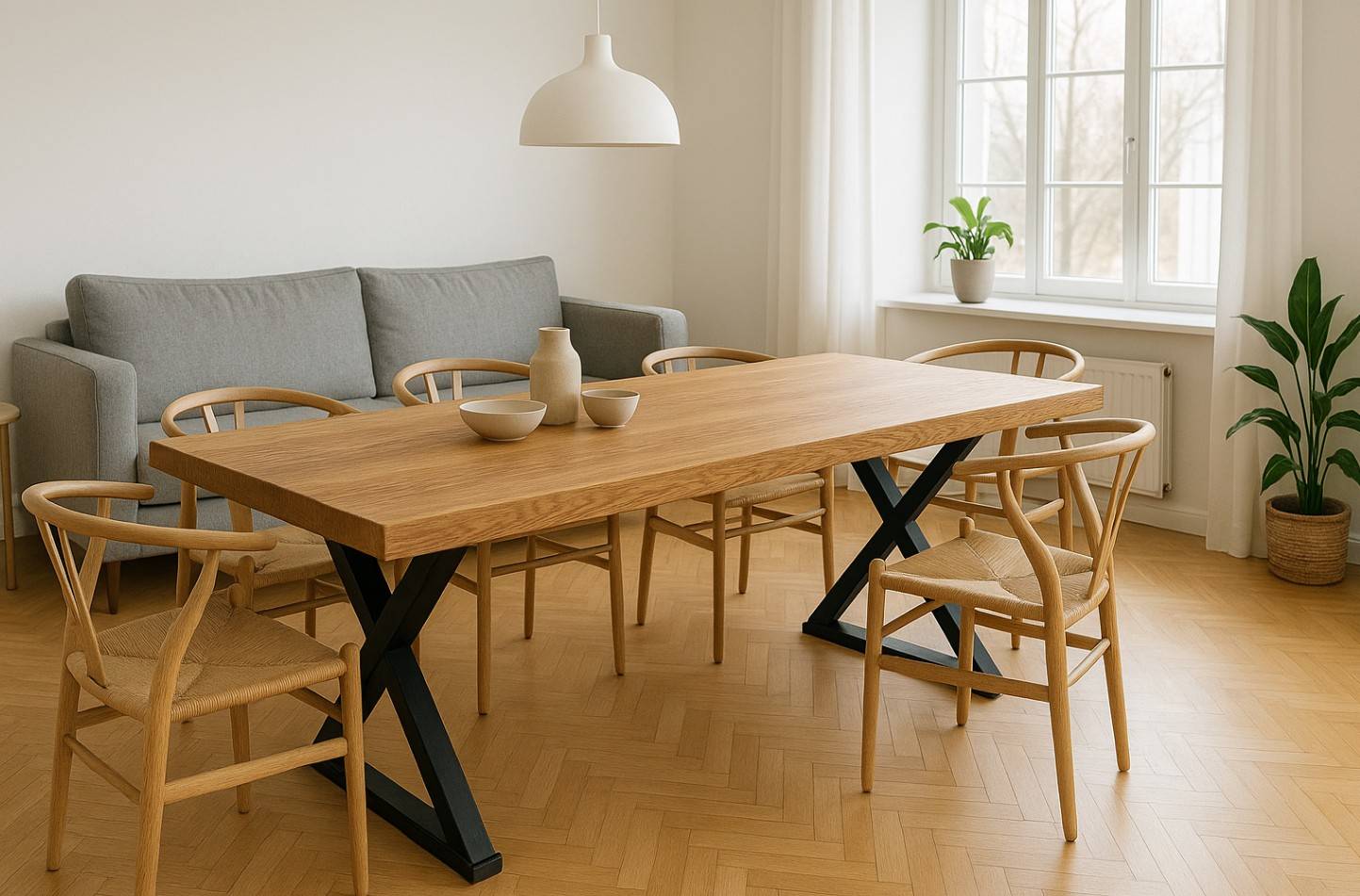
Wooden Table
dtvtransition.org/plankebord/ contactWooden tables - The foundation of elegant interior design
Interior design with wooden furniture creates spaces that feel warm, natural, and inviting. At the heart of such design often sits the wooden table - a versatile piece that serves both functional and aesthetic purposes. Oak tables, with their distinctive grain patterns and remarkable durability, have become particularly sought-after centerpieces in homes worldwide. The natural beauty of wooden tables enhances any room, whether it's a rustic wooden plank table in a country kitchen or a sleek oak dining table in a modern space. These wooden pieces ground a room's design while providing practical surfaces for daily life. When thoughtfully paired with complementary wooden furniture like chairs and cabinets, tables create cohesive interior spaces that reflect personal style while maintaining a connection to nature's organic elements.
The enduring charm of wooden tables in modern homes
Wooden tables stand as the cornerstone of thoughtful interior design, bringing natural warmth and character to modern living spaces. The appeal of a well-crafted oak table goes beyond mere functionality – it introduces an element of nature that synthetic materials simply cannot replicate. Each wooden table tells a story through its grain patterns, knots, and natural color variations. When placed in a living room, a solid wood coffee table becomes more than a surface for books and beverages; it transforms into a conversation piece that draws people together. The visual weight of wooden furniture anchors a room's design scheme while providing balance to lighter elements. For instance by using a wooden plank table from companies like Nordisk Planke from Denmark.
In bedrooms and home offices, smaller wooden tables serve as practical workstations or nightstands while maintaining design continuity. The versatility of wooden tables allows them to adapt to various interior styles – from minimalist Scandinavian designs that favor light oak to rich walnut pieces that complement traditional décor. A dining room centered around a substantial plank table creates an immediate focal point that sets the tone for the entire space.
The tactile nature of wood adds a sensory dimension to interior design that cold materials like glass or metal cannot achieve. Oak tables particularly excel in creating this sensory connection. The distinctive open grain of oak provides both visual interest and textural appeal that invites touch.
When selecting wooden tables for interior design projects, the wood species dramatically influences the overall feel of a space. While oak offers a medium-toned, highly textured option, maple provides a lighter, more subtle grain pattern, and cherry delivers rich, reddish tones that deepen beautifully with age. This natural aging process represents one of wood's most appealing characteristics – unlike manufactured materials, wooden tables develop a patina over time that enhances their beauty and tells the story of their use.
Integrating wooden tables with other furniture elements
The wooden table works as a central design element that influences the selection of surrounding furniture pieces. When crafting a cohesive interior space, pairing oak tables with complementary wooden chairs creates visual harmony while maintaining individual character. The relationship between table and chairs deserves careful consideration – the proportions must align for both comfort and visual balance. Many designers recommend selecting chairs with similar wood tones but different textures or introducing painted wooden chairs alongside a natural wood table for subtle contrast. This approach prevents the monotony of perfectly matched furniture sets while preserving design coherence.
Cabinets and storage pieces represent another crucial element that must coordinate with wooden tables in thoughtful interior design. A well-designed space might feature a striking oak dining table accompanied by a walnut sideboard that shares similar proportions but introduces pleasing visual variation.
The height relationship between tables and surrounding wooden furniture significantly impacts the room's flow and functionality. Low coffee tables paired with taller cabinets create dynamic vertical interest, while maintaining consistent wood species establishes underlying unity. For instance consider getting a smoked oak coffee table from Nordisk Planke or a similar quality furniture company.
For optimal material selection and design integration, consider these key factors:
Wood grain direction - Align grain patterns intentionally to create either continuity or deliberate contrast
1. Color temperature - Match warm-toned woods like cherry with other warm elements, or cool-toned woods like ash with cooler companions
2. Surface treatment - Balance matte and glossy wooden finishes throughout the space
3. Edge profiles - Echo similar edge details across wooden furniture pieces for subtle cohesion
4. Hardware selection - Choose metal elements that complement the wood tones (brass with warmer woods, chrome with cooler species)
The wooden table also influences the selection of non-wood elements in the space. Textile choices like upholstery, curtains, and rugs should respond to the dominant wooden furniture. A heavy oak plank table might call for substantial linen upholstery on dining chairs, while more delicate wooden pieces pair beautifully with lighter fabrics.
Designing spaces around wooden tables
The wooden table often serves as the gravitational center around which interior spaces take shape. When planning room layouts, designers frequently begin with table placement before addressing other elements. A magnificent oak dining table demands sufficient clearance – typically 36 inches minimum – to allow comfortable movement and proper appreciation of its craftsmanship. The table's position relative to natural light sources dramatically affects how its wood grain appears throughout the day. Placing wooden tables where sunlight can highlight their natural beauty during peak usage hours maximizes their visual impact.
Room proportions play a crucial role in determining appropriate table dimensions. Oversized wooden tables in modest spaces create uncomfortable crowding, while undersized tables in grand rooms appear lost and insignificant.
The golden ratio (approximately 1:1.618) often guides designers in selecting wooden table proportions that feel inherently balanced within a space. This mathematical relationship, found throughout nature, creates wooden furniture that resonates with human perception of harmony.
Scale represents just one consideration when designing around wooden tables. The table's function within the space dictates many design decisions. A wooden coffee table in a conversation area should sit at a height that complements surrounding seating – typically 16-18 inches – while maintaining proportional width to the sofa it accompanies. Dining tables require more precise height standardization (usually 30 inches) to ensure comfortable seating with standard chairs.
Wooden tables with strong character often benefit from design restraint in surrounding elements. A spectacular live-edge oak table might pair with simple, clean-lined chairs that don't compete visually. Conversely, more subdued wooden tables can support more expressive companion pieces. This balance extends to decorative objects placed upon wooden tables – thoughtfully selected items that complement rather than overwhelm the wood's natural beauty.
Traffic flow around wooden tables requires careful planning to prevent awkward circulation patterns. Rectangular dining tables typically work better in narrow rooms, while round or oval wooden tables facilitate movement in square spaces. The shape selection significantly impacts social dynamics as well – round wooden tables promote conversation by allowing all seated guests to see one another easily, while long rectangular tables create more formal dining experiences.
Craftsmanship and quality in wooden tables
The construction methods behind wooden tables profoundly influence both their visual appeal and longevity. Traditional joinery techniques like dovetails, mortise and tenon, and finger joints create wooden furniture connections that maintain strength without relying on mechanical fasteners. These age-old woodworking approaches allow wooden tables to expand and contract naturally with seasonal humidity changes without compromising structural integrity. Examining a wooden table's underside often reveals the care taken in its construction – quality pieces feature consistent attention to detail even in areas not immediately visible.
The selection of lumber for wooden tables represents perhaps the most critical quality factor. Premium oak tables begin with quarter-sawn boards that display the characteristic ray fleck pattern while providing superior stability. This specialized cutting method produces wooden furniture that resists warping and showcases the most dramatic grain features.
Woodworkers select boards for tabletops with intentional grain matching, creating continuous patterns across joined pieces. The most exceptional wooden tables feature book-matched or slip-matched grain patterns that create mirror-image effects across the surface.
Wood drying processes dramatically affect a table's long-term performance. Properly kiln-dried lumber for furniture construction should reach equilibrium moisture content appropriate for its intended environment – typically 6-8% for indoor wooden furniture. Tables constructed from inadequately dried wood risk joint failure, splitting, and warping as the wood continues to release moisture. Quality manufacturers document their wood drying protocols and often age lumber in controlled environments before construction begins.
Surface preparation and finishing techniques reveal much about wooden table quality. Master craftspeople sand progressively through finer grits, often reaching 320 or higher, to create glass-smooth surfaces before applying finishes. The depth and clarity of a wooden table's finish comes from painstaking preparation steps that might include grain filling, precise sanding between finish coats, and hand-rubbed final surfaces.
Edge treatments on wooden tables demonstrate craftsmanship through their execution. Complex edge profiles with multiple curves demand precise tooling and skilled hands. The transition from tabletop to edge should feel seamless to the touch, with consistent shaping throughout. Examining a wooden table's underside edge reveals whether the same care extended beyond visible surfaces – quality pieces maintain the same attention to detail throughout.
The lasting impact of wooden tables in interior design
Wooden tables remain fundamental elements in thoughtful interior design, providing both practical function and natural beauty that few other materials can match. The oak table stands as a particularly enduring choice, offering exceptional durability alongside distinctive grain patterns that create visual interest in any space. When selected with care and positioned thoughtfully, wooden tables establish design continuity throughout homes while adapting to evolving style preferences over decades.
The relationship between wooden tables and surrounding furniture creates the foundation for cohesive interior spaces. Chairs, cabinets, and other wooden pieces must work in concert with tables to achieve balanced design compositions.
This harmonious approach extends beyond wood selection to include proportions, finishes, and stylistic details that create unified yet dynamic interiors.
The craftsmanship evident in quality wooden tables reflects values increasingly important in contemporary design – authenticity, sustainability, and connection to natural materials. As mass-produced furniture becomes increasingly disposable, well-made wooden tables offer an alternative that improves with age. The oak plank table purchased today may well become tomorrow's family heirloom, developing character and patina with each passing year.