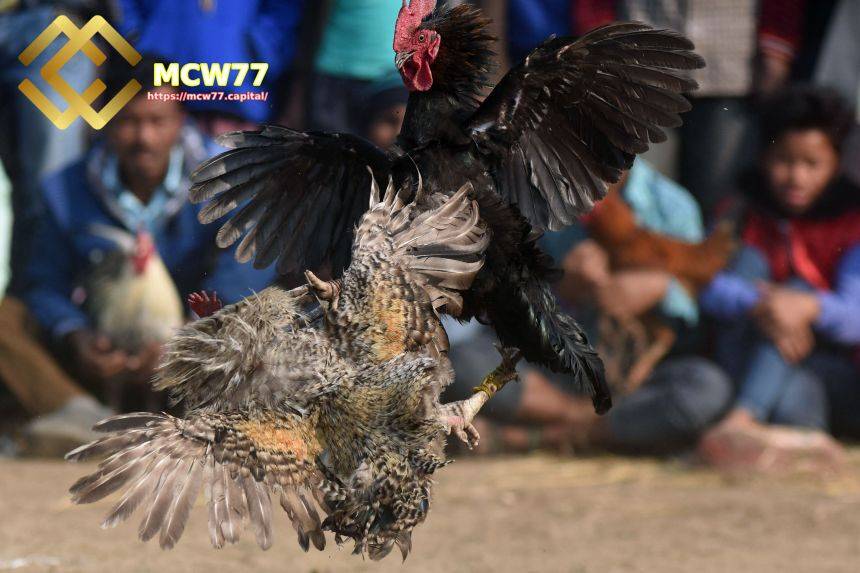
Description
When it comes to the thrilling world of cockfighting, selecting the right rooster can be the deciding factor between victory and defeat. Every passionate player knows that the difference between a good rooster and a great one lies in a mix of instinct, knowledge, and experience. That’s why understanding the Tips for choosing fighting roosters at MCW77 becomes an essential skill for anyone looking to dominate in the arena. This guide reveals detailed insights into identifying superior gamefowl, assessing their strength, and preparing them for competitive matches with precision and confidence.
Understanding the Nature of Fighting Roosters
Before diving into specific tips, it’s vital to understand what makes a fighting rooster stand out. These birds are not ordinary chickens—they are bred, trained, and conditioned to fight strategically. Their physical structure, genetics, temperament, and stamina are all key elements that determine performance in battle. Knowing how to interpret these traits helps enthusiasts make smarter selections and invest in roosters with true potential.
Physical Features That Signal a Strong Competitor
When applying tips for choosing fighting roosters, always begin by examining the physical traits. A rooster with a compact yet muscular build is often more agile and powerful in combat. Look for roosters with thick legs, sharp claws, and a symmetrical body structure. The neck should be flexible but strong, allowing swift head movement and counter-attacks. A rooster’s eyes should be bright and alert—signs of good vision and awareness. Feathers also matter: smooth, shiny plumage reflects good health, while dull or ruffled feathers can signal weakness or poor nutrition.
Evaluating Bloodline and Genetic Strength
Pedigree plays a crucial role in selecting winning roosters. Expert breeders often emphasize that genetics account for at least half of a rooster’s fighting success. When learning Tips for choosing fighting roosters, pay close attention to bloodlines known for speed, endurance, and courage. For example, some lineages are recognized for their fast attack patterns, while others excel in defensive maneuvers. Knowing which traits dominate in certain bloodlines allows bettors and trainers to choose roosters that complement their fighting strategy.
Temperament: The Hidden Weapon of Every Champion
While physical strength is essential, a rooster’s fighting spirit defines its success. A good rooster must be brave but not reckless. It should stand tall in front of opponents, react quickly, and show no signs of fear. Roosters that hesitate or avoid confrontation may not perform well under pressure. This is one of the most valuable Tips for choosing fighting roosters—always observe their behavior before making a decision. Calm yet aggressive birds tend to stay focused during matches, maintaining stamina throughout intense rounds.
Training and Conditioning for Maximum Performance
A well-bred rooster still needs training to become a champion. Conditioning involves daily exercise, a balanced diet, and controlled sparring sessions to enhance reflexes. A trainer at MCW77 knows that consistency is the key. Roosters should be exposed gradually to physical challenges that build muscle without causing fatigue. Feeds rich in protein, grains, and vitamins promote energy and resilience. Water intake must also be monitored to maintain hydration without bloating. Applying these Tips for choosing fighting roosters helps refine natural ability into calculated strength.
Recognizing Signs of Fatigue and Injury
A seasoned handler understands the difference between a healthy rooster and one suffering from exhaustion. When assessing candidates, check for limping, uneven movement, or discolored combs—all warning signs that the bird is unfit for fighting. Regular health checks, clean living environments, and adequate rest periods are essential to keep roosters in peak condition. By integrating these Tips for choosing fighting roosters into routine care, handlers ensure long-term performance and sustainability in competitive matches.
Behavioral Observation Before Battle
Observation plays a critical role in final selection. Watching how a rooster reacts in the presence of other birds reveals its confidence level and instincts. Some roosters display immediate aggression, while others calculate their opponent’s movement before striking. The ideal fighter balances both—strategic and fearless. Paying attention to these behavioral cues allows you to predict how the rooster will behave during actual combat, helping you make smarter betting and training decisions.
Environmental Factors and Preparation
Even the strongest rooster can underperform if it’s not accustomed to its surroundings. Before a match, gradually expose your bird to different arenas and lighting conditions. Familiarity reduces stress and boosts focus. The environment should be clean, quiet, and free from distractions during rest hours. Temperature also affects performance; fighting roosters trained in consistent climates maintain better physical stability. These subtle Tips for choosing fighting roosters often distinguish top handlers from beginners.
Nutritional Balance for Strength and Recovery
Nutrition is a fundamental pillar in preparing any fighting rooster. A diet rich in natural proteins from worms, grains, and vegetables promotes muscle development and energy. Supplements containing calcium and amino acids support bone health and quick recovery after matches. Avoid overfeeding—too much weight reduces agility. Hydration is equally important; water should be clean and available at all times. Trainers who prioritize diet based on these Tips for choosing fighting roosters ensure sustained energy and sharper performance.
Age and Experience Considerations
Not all roosters mature at the same pace. Some reach fighting age around eight months, while others develop later. Younger birds are typically more agile but may lack stamina. Older roosters, on the other hand, possess battle experience but might be slower. Knowing how to balance youth and experience is a subtle art. For newcomers at MCW77, this is among the most critical Tips for choosing fighting roosters—evaluate both age and maturity before final selection.
Pre-Fight Rituals and Mindset Conditioning
Before every match, handlers often perform pre-fight rituals to mentally prepare their birds. This may include gentle massages, light warm-ups, or quiet periods for concentration. These routines not only enhance muscle flexibility but also create a psychological bond between trainer and rooster. A calm bird entering the ring performs with greater accuracy. Applying this principle as part of Tips for choosing fighting roosters ensures both mental and physical readiness.
Analyzing Opponents and Match Strategy
Choosing the right rooster also involves studying your opponent’s fighting style. Some birds specialize in quick aerial attacks, while others rely on ground defense. Understanding these differences allows you to select a rooster that can counter specific threats. A fast yet intelligent fighter can anticipate movements, dodge attacks, and strike effectively. At MCW77, strategic pairing based on these Tips for choosing fighting roosters gives you an undeniable advantage in prediction and performance.
Ethical Breeding and Sustainable Practices
Responsible breeding ensures not only strong fighters but also healthy bloodlines for future generations. Selecting parent roosters and hens based on balanced genetics prevents physical deformities and temperament issues. Clean environments, regular vaccinations, and humane care all contribute to long-term success. Those who follow ethical practices find that healthy birds perform better, live longer, and deliver consistent results. Including sustainable methods among your Tips for choosing fighting roosters keeps the sport honorable and competitive.
Building Trust Between Handler and Rooster
A deep connection between a trainer and a rooster significantly impacts performance. Trust is built through consistent care, calm handling, and mutual familiarity. Roosters that feel safe respond faster to commands and show loyalty during fights. Establishing this bond requires patience, but it pays off in crucial moments. True professionals at MCW77 emphasize that emotional stability often wins matches as much as physical strength.
Conclusion: Turning Knowledge into Victory
Success in cockfighting doesn’t come from luck—it’s the result of study, discipline, and intuition. Applying the Tips for choosing fighting roosters at MCW77 allows every enthusiast to refine their selection process and raise champions that perform with power and precision. From examining physical traits to mastering conditioning techniques, each factor contributes to the making of a true warrior. By investing time and care into your roosters, you’re not just preparing for the next match—you’re shaping a legacy of excellence that stands the test of time.
Contact information:
Website:
https://mcw77.capital/tips-for-choosing-fighting-roosters/
Address: 56 CDA Avenue, GEC Circle, Chattogram, BANGLADESH
Phone number: 01811 234567
Post code: 4000
#mcw77 #mcw77_capital #mcw77_casino