Organic vs. Non-Organic Poultry Feed — Key Differences Explained
Exploring the fundamental distinctions between these two types of feed will shed light on what each offers and how they impact your poultry and overall farm management.
from Oct 16, 2025 hours 14:55 (UTC +05:00)
to Jul 1, 2026 hours 14:55 (UTC +05:00)
When
from Oct 16, 2025 hours 14:55 (UTC +05:00)
to Jul 1, 2026 hours 14:55 (UTC +05:00)
Organic vs. Non-Organic Poultry Feed — Key Differences Explained
When it comes to raising poultry, one of the most important decisions a farmer or backyard chicken keeper has to make is whether to choose organic or non-organic feed for their flock. Both options have their own set of advantages and considerations, and understanding these differences can help you make an informed choice that aligns with your farming philosophy, budget, and health goals for your birds. Organic poultry feed is often associated with higher standards of safety, sustainability, and animal welfare, whereas non-organic feed tends to be more affordable and widely available. Exploring the fundamental distinctions between these two types of feed will shed light on what each offers and how they impact your poultry and overall farm management.
What Is Organic Poultry Feed?
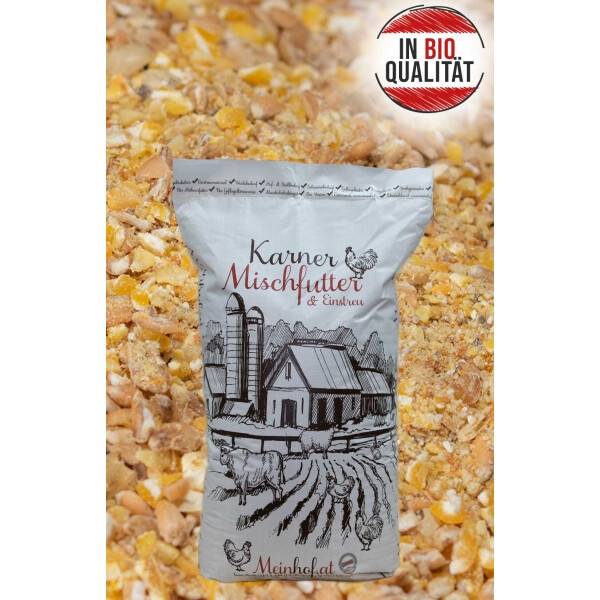
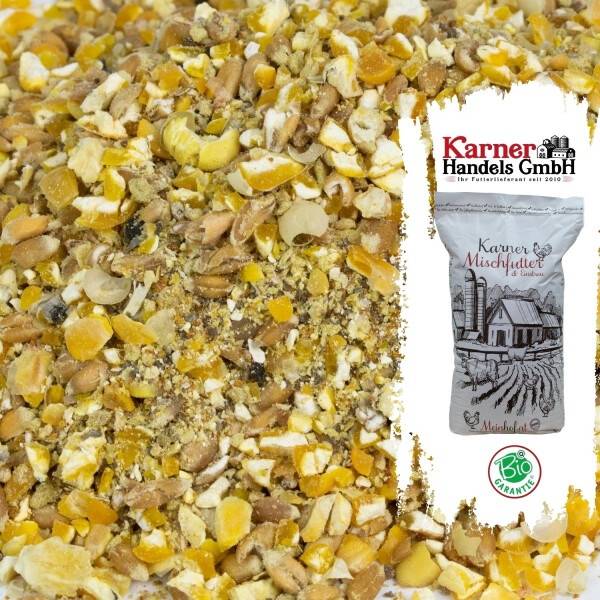
Organic poultry feed is produced following strict organic farming standards that prohibit the use of synthetic chemicals, genetically modified organisms, and artificial additives. The ingredients used in organic feed are typically derived from crops grown without synthetic pesticides, herbicides, or chemical fertilizers. Instead, organic farmers rely on natural techniques such as crop rotation, composting, and biological pest control to maintain soil health and crop productivity. The feed itself is often composed of organic grains, such as corn, soy, or wheat, and may include natural supplements like herbs or mineral sources that are approved by organic certification bodies. The primary goal of organic feed production is to provide a more natural, chemical-free diet to poultry, promoting better health and welfare for the birds while also supporting sustainable agricultural practices.
What Sets Non-Organic Poultry Feed Apart?
Non-organic poultry feed is made from ingredients that may include synthetic chemicals, genetically modified organisms, and artificial additives. This type of feed is produced with the primary focus on maximizing yield, nutritional content, and cost efficiency. Many conventional feed ingredients are processed to enhance their shelf life and nutritional profile, often involving the use of preservatives, flavor enhancers, and other synthetic ingredients. Non-organic feed is typically more affordable due to the widespread use of chemical fertilizers and pesticides in crop production, as well as the economies of scale in manufacturing. While it may contain added vitamins and minerals to ensure nutritional adequacy, some farmers and consumers remain concerned about potential residues of chemicals or GMOs in the final product. Despite these concerns, non-organic feed remains the most common choice in commercial poultry operations due to its lower cost and high availability.
Nutritional Composition and Quality Control
One of the key differences between organic and non-organic poultry feed lies in their nutritional composition and the quality control standards involved in their production. Organic feed must meet strict guidelines that ensure the ingredients are grown and processed without synthetic inputs, and often, the nutrient content is carefully monitored and certified. Organic standards also emphasize the use of non-GMO ingredients and natural supplements, which can influence the overall nutrient profile of the feed. Non-organic feed, on the other hand, can sometimes contain added synthetic amino acids, preservatives, or artificial flavorings to enhance appearance and palatability. While both types of feed are formulated to meet the nutritional needs of poultry, organic feed often emphasizes natural nutrient sources and minimal processing, which some believe leads to better health outcomes for the birds. However, it is essential for farmers to carefully review product labels and certifications to ensure the feed meets their quality expectations.
Impact on Poultry Health and Product Quality
The type of feed provided to poultry can significantly influence the health of the birds and the quality of the products they produce. Organic feed is often perceived as being healthier because it is free from synthetic chemicals and GMOs, potentially reducing the risk of chemical residues in eggs and meat. Many consumers prefer organic poultry products for this reason, associating them with higher nutritional quality and better animal welfare. Additionally, some studies suggest that birds fed organic diets may have better immune function, improved gut health, and a lower incidence of certain diseases. Conversely, non-organic feed, with its fortified vitamins and minerals, can support rapid growth and high productivity, which is why it remains popular in large-scale commercial operations. Ultimately, the choice between organic and non-organic feed depends on personal values, market demands, and the specific health goals for your poultry.
Cost and Availability Considerations
Cost is often a decisive factor for many poultry producers when choosing between organic and non-organic feed. Organic feed tends to be more expensive due to the higher costs associated with organic certification, sustainable farming practices, and the use of natural ingredients. Additionally, organic feed ingredients are produced without synthetic chemicals, which can result in lower yields and higher prices for farmers. As a result, organic feed is often used in small-scale or specialty farms where consumer demand for organic products can offset the higher costs. Non-organic feed, by contrast, is more widely available, less expensive, and produced on a larger scale, making it the practical choice for most commercial poultry operations. Farmers need to weigh the economic implications against their market goals and the perceived benefits of organic feeding to determine the best option for their farm.
Environmental and Ethical Considerations
Beyond the nutritional and economic aspects, organic versus non-organic poultry feed also presents important environmental and ethical considerations. Organic farming practices promote soil health, biodiversity, and reduced chemical runoff, making them more sustainable and environmentally friendly. Organic feed production minimizes the use of synthetic pesticides and fertilizers, which can have detrimental effects on ecosystems. It also aligns with ethical principles that prioritize animal welfare, as organic standards often include provisions for outdoor access and better living conditions for the poultry. Non-organic farming, while more efficient in terms of yield, can sometimes contribute to environmental degradation due to chemical runoff and intensive land use. For consumers and farmers alike who are concerned about sustainability and animal welfare, choosing organic feed can be a meaningful way to support more ethical and environmentally conscious farming practices.
Conclusion: Making an Informed Choice
Deciding between organic and non-organic Geflügelfutter ultimately depends on your goals, budget, and values. Organic feed offers the promise of a more natural diet free from synthetic chemicals, with potential benefits for bird health and product quality, but at a higher cost and often limited availability. Non-organic feed provides a cost-effective, readily accessible option that supports large-scale production and rapid growth. Both have their pros and cons, and understanding these differences can help you make a choice aligned with your farm’s philosophy and market demands. Whether prioritizing sustainability, animal welfare, or economic viability, being informed about the key distinctions between organic and non-organic poultry feed empowers you to make decisions that best support your poultry operation and your customers’ preferences.