How to Achieve Professional Results With Foil Direct Plotter Films in Crafts
Taking time to test new materials on sample surfaces before committing to your final project can prevent frustrating.
from Oct 9, 2025 hours 10:17 (UTC +05:00)
to Jul 2, 2026 hours 10:17 (UTC +05:00)
When
from Oct 9, 2025 hours 10:17 (UTC +05:00)
to Jul 2, 2026 hours 10:17 (UTC +05:00)
How to Achieve Professional Results With Foil Direct Plotter Films in Crafts
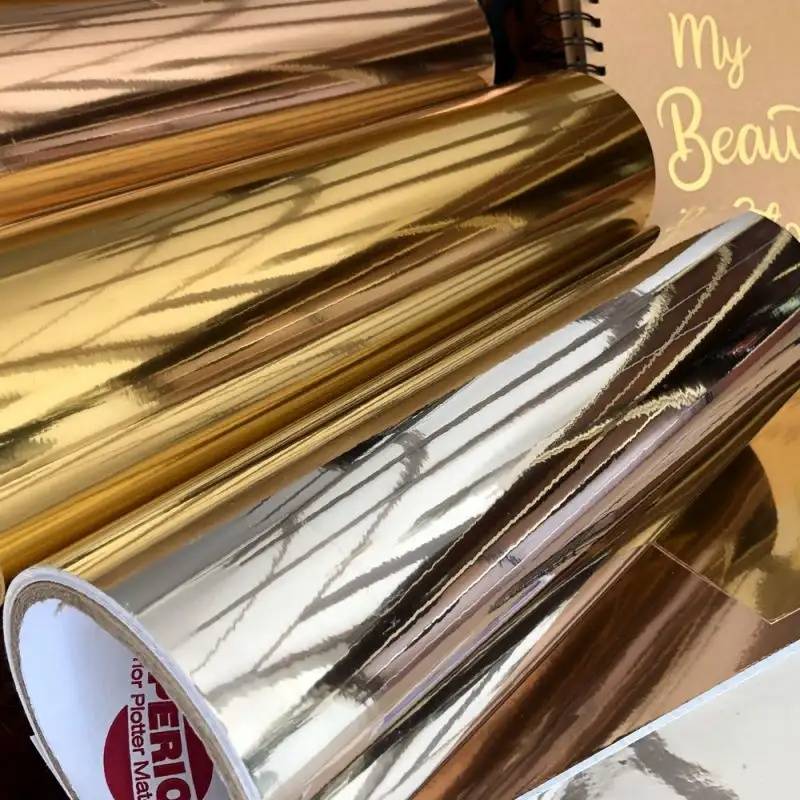
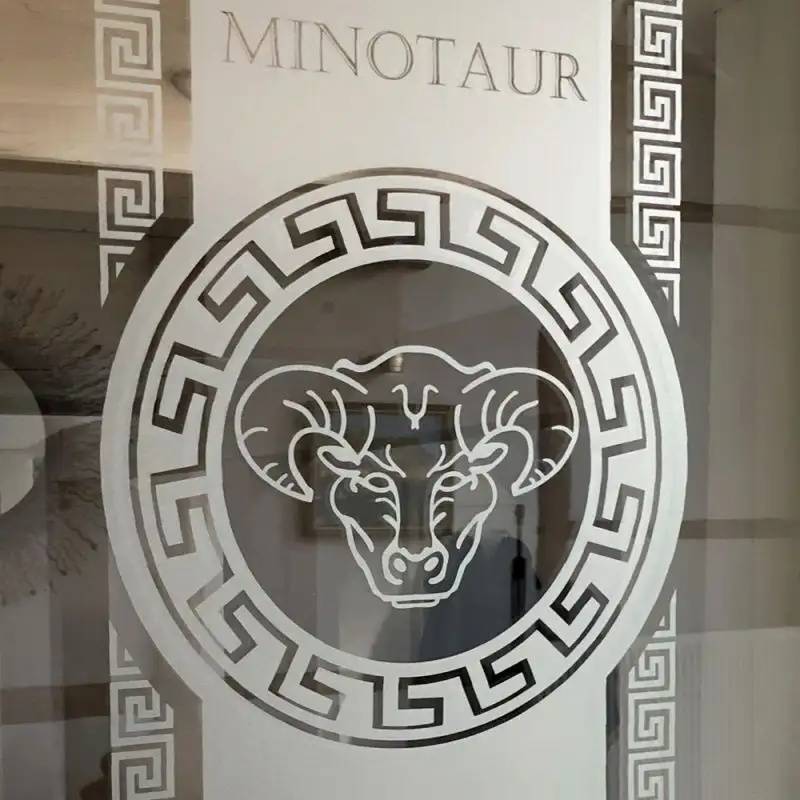
The world of crafting has been revolutionized by the accessibility of Foil Direct plotter films, bringing what was once a commercial finishing technique into the hands of home crafters and small business owners. Achieving professional-looking results with these materials might seem daunting at first, but with the right techniques and a bit of practice, you can create pieces that rival those produced in professional settings. The key lies in understanding how these materials behave and approaching each project with careful preparation and attention to detail. Whether you're personalizing tumblers, creating custom wedding decorations, or producing inventory for your small business, mastering a few fundamental principles will dramatically improve your outcomes and help you create pieces you're proud to display or sell.
Starting with Quality Materials and Tools
The foundation of professional-looking crafts begins long before you load your plotter, with the selection of appropriate materials and tools for your specific project. Not all foil films are created equal, and choosing the right type for your application makes a significant difference in your final results. For most craft applications, premium cast vinyl films offer better conformability to curved surfaces and more professional-looking finishes than economy calendered options. Your cutting tools matter just as much as your materials—ensure you're using a sharp, appropriate blade for your specific plotter and material type. Many crafters find that investing in quality application tools like silicone squeegees, quality transfer tape, and precision weeding tools pays dividends in the final appearance of their projects. Taking time to test new materials on sample surfaces before committing to your final project can prevent frustrating outcomes and material waste.
Mastering the Art of Weeding
Weeding—the process of removing excess foil from your cut design—represents one of the most crucial steps where professional and amateur results visibly diverge. Successful weeding requires the right combination of cutting pressure, blade sharpness, and material handling. For intricate designs, consider using a weeding hook or precision tweezers to cleanly remove small elements without disturbing the parts you want to keep. Proper lighting and a comfortable working position make detailed weeding much more manageable—many crafters invest in a craft light with magnification for especially delicate work. If you find yourself struggling with weeding, your cutting settings might need adjustment; perfectly cut designs should release cleanly without requiring excessive force or leaving behind stubborn bits of foil. Developing a systematic approach to weeding, such as working from the center outward or tackling the most delicate areas first, can improve both your efficiency and your results.
Perfecting Surface Preparation
The difference between a craft project that lasts for years and one that fails within weeks often comes down to the invisible step of surface preparation. Every surface, whether glass, plastic, wood, or metal, requires thorough cleaning to remove oils, dust, and residues that can interfere with adhesion. Isopropyl alcohol is the preferred cleaning solution for most craft surfaces as it evaporates completely without leaving residue. Beyond cleaning, consider the texture and porosity of your surface—smooth, non-porous surfaces typically deliver the most professional-looking results with foil films. For problematic surfaces that tend to resist adhesion, specialized primers can create a better bonding surface. The few extra minutes spent on proper surface preparation consistently separate amateur-looking applications from professional-quality results that stand the test of time.
Applying with Confidence and Precision
The actual application process offers the most visible distinction between amateur attempts and professional-looking craftsmanship. Using the right transfer tape for your specific project prevents issues like insufficient tack (causing pieces to remain on the tape) or excessive tack (making repositioning difficult). The hinge method—where you apply transfer tape to one edge before positioning—allows for perfect alignment and minimizes the risk of air bubbles or misplacement. When burnishing your design, apply firm, consistent pressure working from the center outward, paying special attention to edges and detailed areas. For curved surfaces like tumblers or ornaments, take your time working the film gradually around the contour rather than trying to apply it all at once. Professional crafters know that rushing the application process almost always leads to visible flaws, while a methodical approach produces flawless results.
Finishing for Professional Durability
The final step in achieving professional-quality crafts involves proper finishing techniques that protect your work and ensure its longevity. For items that will receive regular handling, such as drinkware or phone cases, consider applying a compatible clear sealant over your foil design. Always test sealants on a sample first to ensure they don't react with your specific foil film. Heat setting with a heat gun or in a low-temperature oven can improve adhesion on certain surfaces, but requires careful temperature control to avoid damaging the foil. If you're creating crafts for outdoor use, UV-resistant clear coats can prevent premature fading. These finishing touches might not be immediately visible, but they're what separate craft projects that maintain their professional appearance from those that quickly show wear and deterioration.
Developing Your Creative Applications
True mastery of foil plotter films in crafts comes when you move beyond basic applications and begin developing unique techniques that set your work apart. Layering different foil colors and finishes can create dimensional effects that elevate simple designs into extraordinary pieces. Combining foil with other craft techniques like epoxy resin, acrylic painting, or wood burning opens up endless creative possibilities. Many professional crafters develop signature styles by using foil in unexpected ways—creating ombré effects by gradually overlapping different foils, incorporating foiled elements into mixed media art, or using negative space in innovative designs. Pushing creative boundaries while maintaining technical excellence is the hallmark of truly professional craft work, transforming simple projects into artistic statements that capture attention and admiration.
Achieving professional results with plotterfolie in your craft projects is an attainable goal that combines the right materials, proper techniques, and plenty of practice. Each project offers an opportunity to refine your skills and develop the attention to detail that separates amateur efforts from professional-quality work. Remember that even the most experienced crafters continue learning and improving with each project they complete. The satisfaction of creating something beautiful and durable with your own hands makes the process of mastering these techniques well worth the effort. As you build your skills and confidence, you'll find yourself taking on increasingly complex projects and creating crafts that truly reflect your creative vision while maintaining the quality standards of professional workmanship.