Description
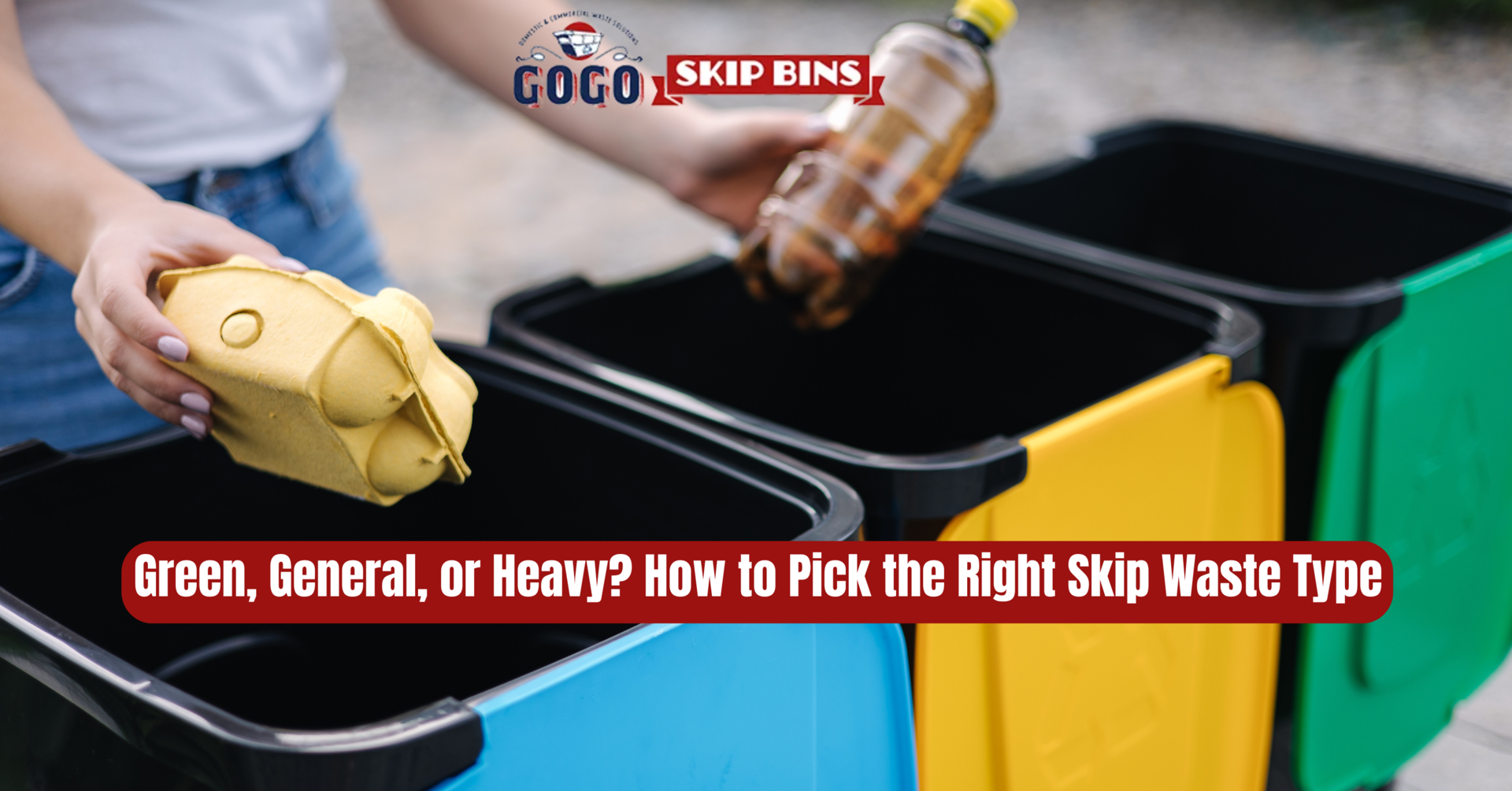
When it comes to hiring a skip bin, one of the most important things to know is what type of waste you’ll be disposing of. Skip bins aren’t a one-size-fits-all solution — different types of waste need to go into different types of bins to make disposal safe, legal, and environmentally friendly.
So how do you know whether you need a green waste skip, a general waste skip, or a heavy waste skip? Let’s break it down in this easy guide.
What Are Skip Waste Types?
Skip waste types refer to categories that help separate different materials for proper disposal. Sorting waste correctly ensures it is disposed of or recycled in an eco-friendly and efficient manner.
The three most common skip waste types are:
- Green Waste
- General Waste
- Heavy Waste
Each of these has its own set of rules about what you can and cannot put inside.
What is Green Waste?
Green waste refers to organic, biodegradable materials typically found in gardens or outdoor spaces. It’s the most eco-friendly type of waste because it can be turned into mulch or compost.
What Can Go in a Green Waste Skip?
- Grass clippings
- Leaves
- Branches
- Tree trimmings
- Weeds
- Flowers
What Can’t Go in a Green Waste Skip?
- Soil or dirt
- Rocks
- Timber or treated wood
- Plastic pots
- General rubbish or food waste
If you’re tackling a backyard clean-up or a landscaping job, a green waste skip is the ideal choice.
What is General Waste?
General waste includes most non-hazardous, lightweight household and commercial waste that doesn’t fall into the green or heavy waste categories.
What Can Go in a General Waste Skip?
- Furniture
- Toys
- Clothes
- Cardboard and paper
- Plastic
- Office waste
- Non-electronic appliances
What Can’t Go in a General Waste Skip?
- Green waste
- Soil and dirt
- Heavy construction waste like bricks, tiles, and concrete
- Hazardous materials such as chemicals, paint, or asbestos
General waste skips are perfect for home clean-outs, moving days, office decluttering, and small renovation projects.
What is Heavy Waste?
Heavy waste is exactly what it sounds like — dense, weighty materials typically generated from construction, renovation, or demolition projects.
What Can Go in a Heavy Waste Skip?
- Bricks
- Concrete
- Tiles
- Pavers
- Rocks
- Soil (if accepted by the service)
What Can’t Go in a Heavy Waste Skip?
- Green waste
- General household rubbish
- Hazardous waste
- Asbestos
Mixed Heavy Waste Skip Bin are ideal for building sites, home renovations, and any job involving large amounts of rubble or debris.
Why It’s Important to Pick the Right Skip Waste Type
Choosing the correct waste type is essential for a few reasons:
If you’re unsure which skip bin to hire, here’s a quick guide:
- Is it a garden clean-up? Go for a green waste skip.
- Clearing out the house, garage, or office? A general waste skip is your best bet.
- Doing a renovation or construction job? You’ll need a heavy waste skip.
When booking a skip, be clear about what you plan to throw away. If your load includes a mix of materials, check with your skip bin provider — some companies offer mixed waste skips or can suggest the best option for you.
Final Tips for Smart Skip Bin Use
- Don’t overfill your skip — waste should stay below the rim.
- Separate waste types where possible to avoid extra charges.
- Check prohibited items with your provider before tossing them in.
- Early Planning — book your skip early and schedule it for when you’ll be ready to load it.
Conclusion:
Whether it’s green, general, or heavy waste, knowing what kind of Skip Waste Types you need will save you money, time, and hassle. It’s not just about convenience — it’s about disposing of rubbish the right way.
GoGo Skip Bins makes selecting the perfect skip bin easy, offering a wide range of options to suit your specific waste disposal needs.
This blog "Green, General, or Heavy? How to Pick the Right Skip Waste Type" is originally posted here